
How to Stay Safe Driving Through Flooded Roads and Heavy Rain
- rogorsmotors
- Blog
- July 18, 2024
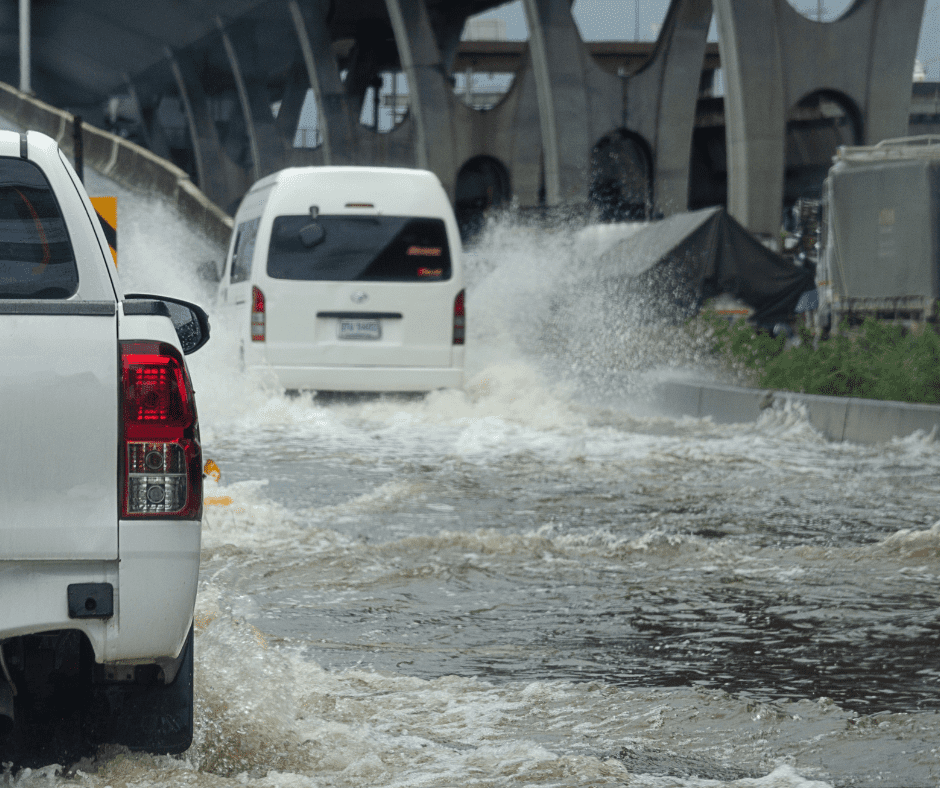
How to Stay Safe Driving Through Flooded Roads and Heavy Rain
Driving through flooded roads and heavy rain can be extremely dangerous, even for experienced drivers. Every year, many accidents, injuries, and fatalities occur because drivers underestimate the power of water and the hazards of driving in wet conditions. In this article, we will share some essential tips on how to stay safe when driving through flooded roads and heavy rain.
Know the Risks of Driving in Floodwater
Before we get into the tips, it’s important to understand why driving through floodwater is so dangerous. Here are some of the risks:
Hydroplaning: When your tires lose contact with the road surface and glide on a layer of water, you lose steering and braking control. This can happen at speeds as low as 50 km/h on wet roads.
Loss of traction: Wet and flooded roads reduce the friction between your tires and the road, making it harder to stop, steer, and accelerate.
Engine damage: If water enters your engine through the air intake, it can cause catastrophic damage called hydrolocking. This happens when water, which is incompressible, enters the combustion chamber and prevents the piston from completing its stroke.
Electrical damage: Water can short out your car’s electrical system, causing various components to fail or malfunction.
Being swept away: Even shallow water can exert tremendous force on your vehicle. As little as 15 cm of moving water can cause you to lose control of your car, and 30 cm of water can sweep a car off the road.
Tips for Driving in Heavy Rain
1. Slow Down: The most important thing you can do in heavy rain is to reduce your speed. The faster you drive, the more likely you are to hydroplane or lose control.
2. Increase Following Distance: Wet roads require much longer stopping distances. In heavy rain, increase your following distance to at least 5-6 seconds behind the vehicle in front of you.
3. Turn on Your Headlights: In many places, it’s required by law to turn on your headlights when it’s raining. This makes you more visible to other drivers.
4. Avoid Cruise Control: Using cruise control in wet conditions can be dangerous because if your car starts to hydroplane, the system may actually accelerate the wheels, making it harder to regain control.
5. Steer into Skids: If your car starts to skid, don’t panic and don’t brake suddenly. Instead, ease off the accelerator and steer in the direction you want the car to go.
6. Test Your Brakes: After driving through a puddle or standing water, gently apply the brakes to dry them out and check that they’re working properly.
Tips for Driving Through Flooded Roads
1. Turn Around, Don’t Drown: The best advice is to avoid driving through flooded roads at all. If you come across a flooded road, turn around and find an alternate route. Remember the saying: “Turn Around, Don’t Drown.”
2. Assess the Water Depth: If you must cross a flooded road, first assess the depth of the water. If the water is above your car’s floor level, it’s generally too deep to safely cross.
3. Drive Slowly and Steadily: If you decide to proceed, drive slowly and steadily through the water. Don’t stop in the middle, and keep the engine revving to prevent water from entering the exhaust.
By following these tips, you can significantly reduce the risk of accidents and protect yourself, your passengers, and your vehicle when driving in challenging weather conditions. Stay safe on the roads, and when in doubt, it’s always better to wait for the weather to improve or find a safer route.