
Understanding Car Suspension Systems
- rogorsmotors
- Blog
- March 12, 2024
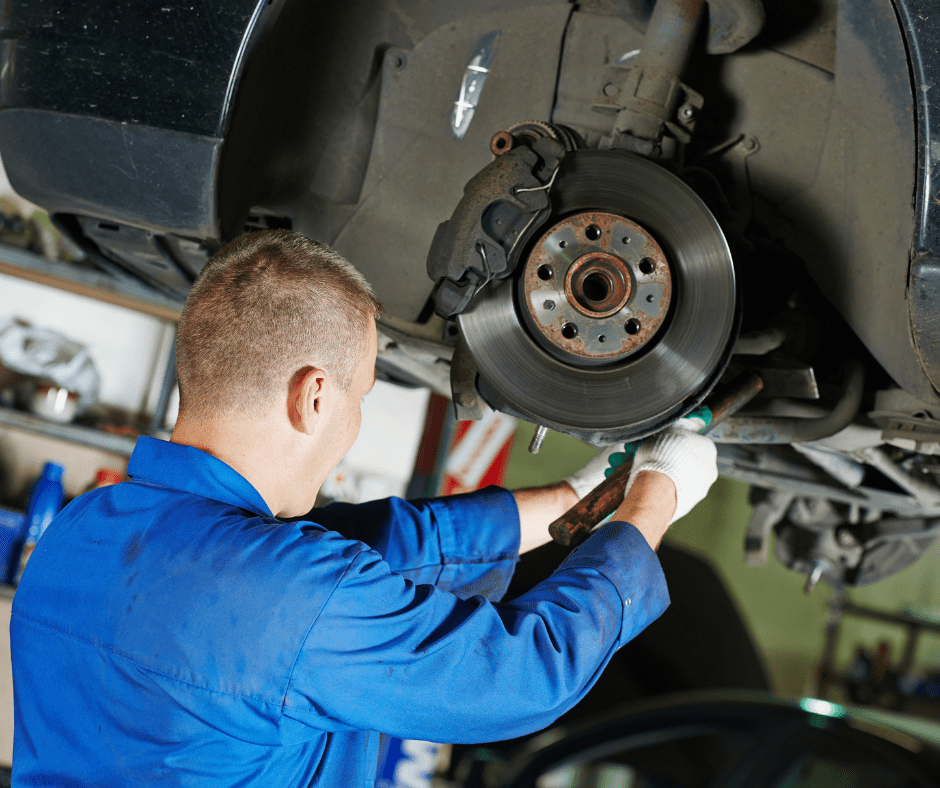
Understanding Car Suspension Systems
Car suspension systems are essential to driving, offering comfort, safety, and performance. The technology behind suspension systems is a blend of physics, engineering, and innovation, designed to facilitate a smooth and controlled ride. This article aims to expand upon the basics of car suspension, explore its key components, and explain why it is crucial for your vehicle.
What is Suspension in a Car?
At its core, the suspension in a car is an intricate network of components engineered to absorb shocks and maintain continuous tire contact with the road surface. This setup is vital for optimal handling and comfort, reducing the impact of uneven terrain and enhancing the overall driving experience.
Key Elements of a Car’s Suspension System
Springs: These car suspension parts support the vehicle’s weight, absorb road bumps, and help the car return to its normal height after it encounters uneven road surfaces.
Shock Absorbers (or Dampers): Dampers control the movement of the springs, reducing excess bouncing and vibrations, thereby stabilizing the vehicle.
Struts: A structural part of the suspension system, struts combine the spring and shock absorber into a single unit, contributing to the vehicle’s alignment and support.
Control Arms: These allow for motion between the vehicle frame and the wheel, facilitating steering and maintaining alignment.
Anti-Sway Bars: Also known as stabilizer bars, they reduce body roll during turns, improving control and stability.
How Suspension Enhances Your Driving Experience
The suspension system’s primary goal is to ensure a balanced and smooth ride. By effectively managing the forces generated during acceleration, braking, and cornering, it guarantees that the tires maintain optimal contact with the road, ensuring superior grip, safety, and comfort.
Understanding Different Types of Suspension Systems
Independent Suspension: Allows wheels on the same axle to move independently, offering refined handling and comfort, especially beneficial on uneven surfaces.
Dependent Suspension: Links wheels on an axle, providing durability and strength, often used in heavier vehicles for its simplicity and robustness.
Upgrading Your Suspension
Upgrading your car’s suspension can enhance your vehicle’s handling and performance. Modifications such as performance shocks, lowering springs, or adjustable coilovers can customize the driving experience. However, selecting the right upgrades requires understanding your vehicle’s needs and how each component interacts within the system.
Maintaining Your Suspension for Optimal Performance
Regular maintenance is essential. Routine inspections for wear and tear, replacing damaged parts, and ensuring proper alignment and balance are critical steps. Suspension components should be regularly checked and replaced as necessary, typically between 80,000 to 160,000 kilometres.
Common Suspension Problems and How to Identify Them
Suspension issues can present as uneven tire wear, poor handling, or unusual noises. Early detection of these symptoms can prevent further damage and maintain safety on the road.
Keeping your car running smoothly isn’t just about the engine or the brakes; it’s also about the suspension system. If you ever notice that your car rides are becoming bumpier or the handling seems off, it might be time to give your suspension some TLC. Feel free to contact us with any questions or concerns about your car’s suspension.