
Decoding Your Car’s Dashboard Symbols and Meanings
- rogorsmotors
- Blog
- July 10, 2023
Decoding Your Car’s Dashboard Symbols and Meanings
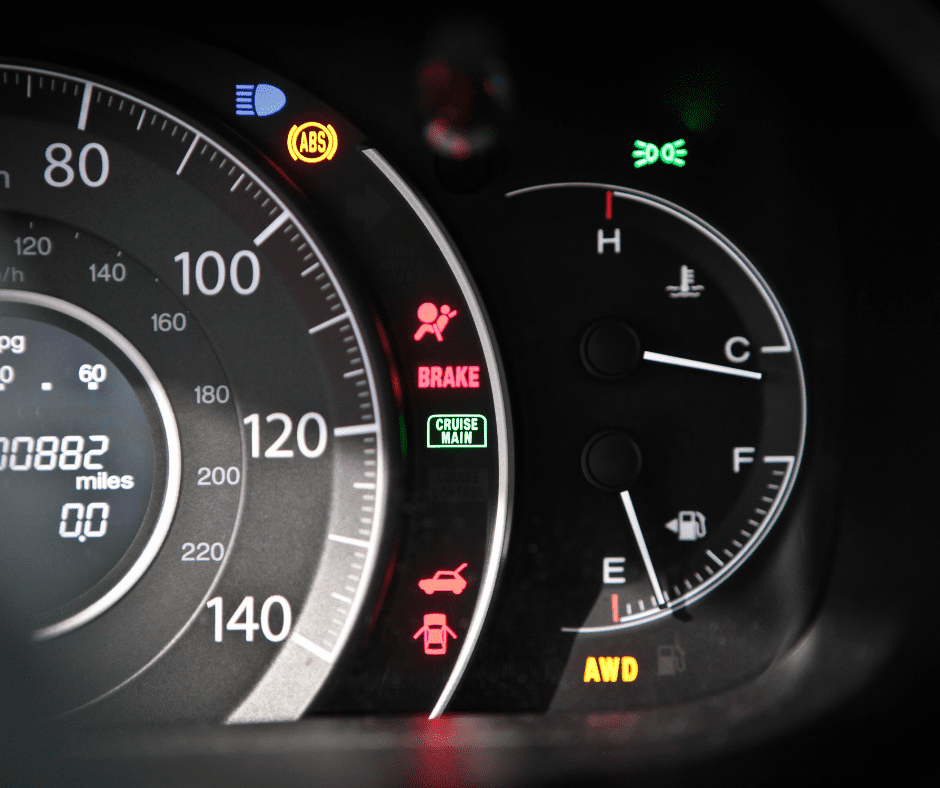
Navigating the language of your car’s dashboard warning lights is essential for maintaining your vehicle’s health and your safety. Each time you start your car, these light icons light up for a moment as if performing a morning stretch. But what happens when an alert icon decides to persist? Ignorance towards these warning lights can transform a minor issue into a significant problem that’s not only expensive to fix but could also compromise your safety.
We have created this guide to break down the top 20 most common dashboard warning lights, explaining what your car is trying to tell you and how you should respond.
1. Engine Warning Light (Check Engine Light): Indicates potential engine issues, big or small. Don’t ignore it; promptly schedule a visit to your mechanic.
2. Oil Pressure Warning Light: Signifies low engine oil pressure. Stop the vehicle and check the oil level. If the oil level is fine but the light remains on, consult a mechanic immediately.
3. Battery Charge Warning Light: Your car’s battery charge might be low or the charging system might be faulty. Get the electrical system checked out promptly.
4. Brake Warning Light: Implies potential issues with the braking system. If it stays on after releasing the handbrake, it may indicate a drop in brake fluid level or a severe system fault.
5. ABS Warning Light: Your Anti-lock Braking System might have a problem. Your brakes may not perform optimally during emergency braking.
6. Engine Temperature Warning Light: Your engine’s temperature has exceeded its normal range. Pull over, allow the engine to cool down.
7. Tire Pressure Warning Light: Your tires might be underinflated. Check and adjust the pressure as needed.
8. Airbag Warning Light: Indicates an issue with the airbag system. The airbags may not deploy in a crash—don’t delay getting this checked out.
9. Traction Control Light: If this safety light keeps flashing, there could be a fault in the traction control system.
10. Service Engine Soon Light: Your vehicle needs servicing. Don’t delay a visit to your mechanic.
11. Gas Cap Warning Light: The gas cap isn’t properly secured. Stop the vehicle and secure the gas cap.
12. Security Warning Light: A potential issue with your car’s security system. Have the system inspected.
13. Power Steering Warning Light: A problem with the power steering system, affecting your ability to steer. Avoid driving if possible and consult a mechanic.
14. Transmission Temperature Light: Your transmission fluid is hotter than usual. Stop driving to avoid serious transmission damage.
15. Fog Lamp Warning Light: Simply informs you that your fog lights are on. Ensure to switch them off when not in use.
16. Coolant Warning Light: Your coolant level is low or there’s an issue with the cooling system. Check the coolant level and refill if necessary.
17. Door Ajar Warning Light: A door is not fully closed. Stop safely and check all doors.
18. Overdrive Light: Your car’s overdrive system is turned off. If you didn’t manually deactivate it, your vehicle might be doing so due to a system problem.
19. Washer Fluid Reminder: Your windshield washer fluid is low. Just top it up.
20. ESP Fault Warning Light: A problem with your Electronic Stability Program (ESP) system. Get it inspected at a service center.
Understanding the warning lights on your car’s dashboard is critical. These lights are your car’s mode of communication. Keep this guide handy, and always refer to your vehicle’s owner manual for specifics. Ignoring these alert icons can lead to costly repairs or compromise your safety.