
A Mechanic’s Guide: How Often Should You Change Your Oil?
- rogorsmotors
- Blog
- July 3, 2023
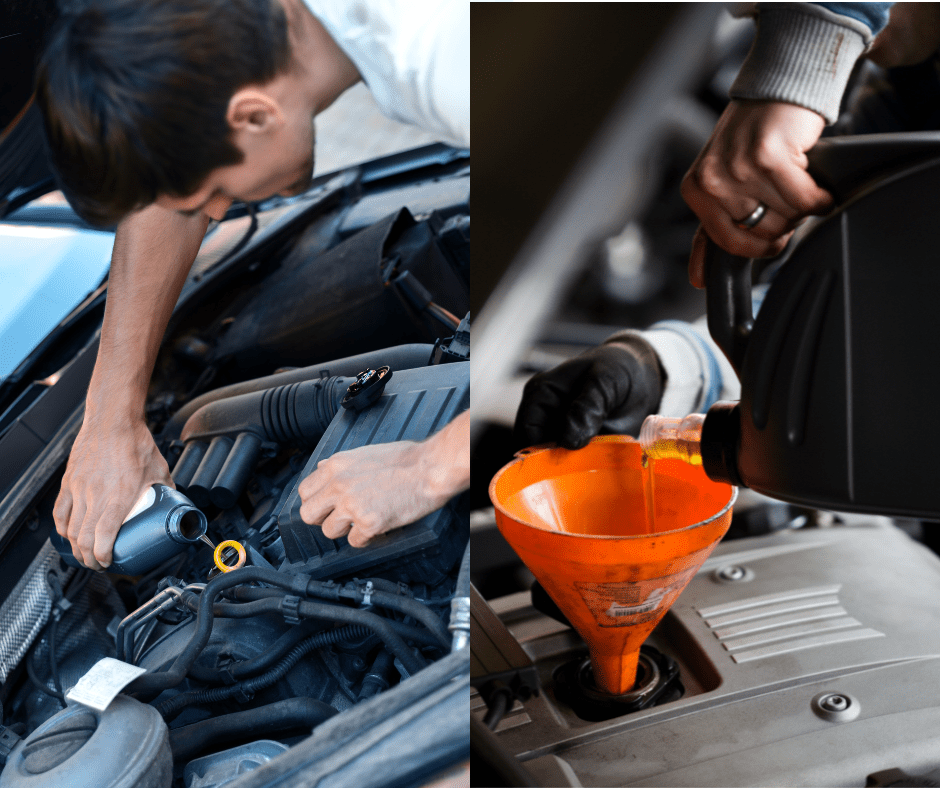
A Mechanic’s Guide: How Often Should You Change Your Oil?
Today we are going to dive under your car’s hood and get down to the nuts and bolts of car maintenance – we’re talking about the golden elixir of your engine – your car’s engine oil. When it comes to engine oil changes, we all know that they need to happen regularly. But just how often?
The Lifeblood of Your Engine: Engine Oil
1. Keeping it Cool, Keeping it Smooth
Oil acts as a lubricant for all those moving metal parts in your engine, preventing friction and overheating. Without proper lubrication, parts can wear out prematurely. Regular oil changes ensure that everything is moving smoothly and efficiently.
2. A Clean Machine
Over time, your oil collects all kinds of gunk – dust, dirt, even tiny metal shavings. This can cause damage to your engine parts. Regular oil changes mean your engine remains a clean machine, less susceptible to costly damages.
3. Better Performance and Fuel Efficiency
A well-lubricated engine performs better. It improves your car’s fuel efficiency because the smoother the ride, the less the engine has to work, and the less fuel you burn. Regular oil changes can improve your gas mileage by 1-2%.
4. Longevity of Your Car
Regular oil changes help prolong your car’s lifespan. By reducing wear and tear, keeping your engine clean, and maintaining efficient operation, you’re effectively preserving your investment for years to come.
How Often Should You Change Your Oil?
A good rule of thumb is every 5,000 to 8,000 kilometres, or typically every three months, whichever comes first. However, several factors come into play, like your car model, driving habits, and the conditions in which you’re driving.
DIY: Changing Your Own Car Oil
You’ll need engine oil, a new oil filter, a wrench set, oil filter wrench, oil catch pan, funnel, gloves, safety glasses, jack stands or ramps, and some shop rags.
Step 1: Park on a flat surface and engage the parking brake. Raise the front of the car if necessary.
Step 2: Locate the oil drain plug and place your catch pan beneath it. Loosen and remove the plug. Let the old oil drain.
Step 3: Remove the old oil filter using an oil filter wrench.
Step 4: Before installing the new filter, dab fresh oil on the gasket to create a proper seal.
Step 5: Replace the drain plug and add new oil using a funnel.
Step 6: Check the oil level with the dipstick—it should be between the two marks.
Step 7: Dispose of old oil responsibly at a recycling centre or auto shop.
Our professional mechanics are always here to lend a hand if you need it. Whether you are in for a quick express oil change or prefer a DIY approach, regular oil changes are essential to keep your ride purring for miles and years to come.