
Brake Maintenance 101: A Guide for Car Owners
- rogorsmotors
- Blog
- September 11, 2023
Brake Maintenance 101: A Guide for Car Owners
When it comes to car safety, the brakes are one of the most critical components of your vehicle. As a car owner, understanding the basics of brake maintenance is not just a matter of keeping your car in good condition—it’s a matter of ensuring your safety and the safety of others on the road. In this guide, we’ll walk you through the essentials of brake maintenance, from understanding how your brakes work to recognizing when it’s time for a brake repair service.
Understanding Your Brakes
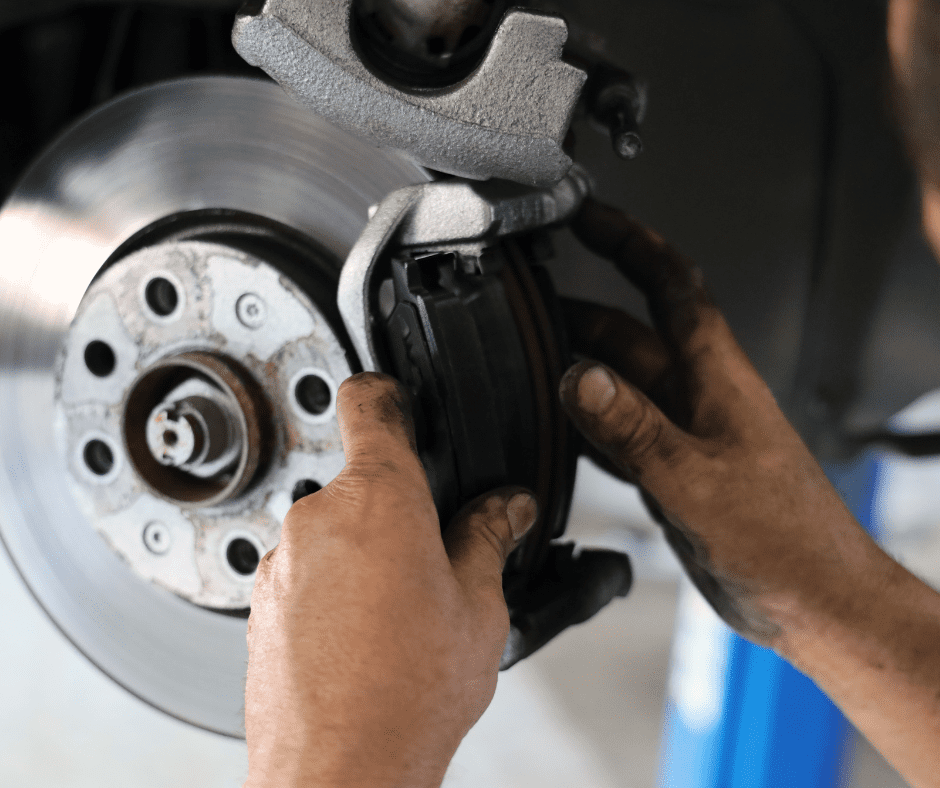
Your car’s braking system is a complex assembly of parts that work together to slow and stop your vehicle. The main components include the brake pads, brake rotors (also known as discs), brake calipers, and brake fluid. When you press the brake pedal, the brake fluid transmits the force to the calipers, which then squeeze the brake pads against the rotors to slow the car down.
The Importance of Regular Brake Checks
Regular brake checks are vital for safe driving. Over time, brake pads wear down and rotors can become warped or corroded, affecting your car’s ability to stop effectively. A routine brake check can identify these issues early on, before they become more serious (and expensive) problems.
Signs You May Need a Brake Repair Service
– Squealing or Grinding Noises: If you hear a high-pitched squeal or grinding noise when you apply the brakes, this is often a sign that your brake pads are worn and need replacing.
– Vibration or Pulsating When Braking: If you feel a vibration or pulsation through the brake pedal when you brake, this could indicate that your brake rotors are warped.
– Soft or Spongy Brake Pedal: If your brake pedal feels soft or spongy, or if it goes all the way to the floor when you press it, this could suggest a problem with your brake fluid or a leak in the brake system.
– Car Pulling to One Side When Braking: If your car pulls to one side when you brake, it may be a sign of uneven brake pad wear or a stuck caliper.
DIY Brake Checks
While a professional brake check is always recommended, there are a few simple checks you can do yourself. Periodically check your brake fluid level and top it up if necessary. Visually inspect your brake pads through the wheel spokes—if they appear thin (less than a quarter inch), it’s time for a replacement. Listen for unusual noises when braking and pay attention to how the brake pedal feels.
Remember, if you’re unsure about the condition of your brakes or if you notice any of the warning signs mentioned above, it’s always best to consult a professional. At Rogers Motors Auto Service, our experienced technicians can perform a thorough brake inspection and provide the necessary brake repair service to keep you safe on the road. Don’t wait until it’s too late—book a brake check with us today.